
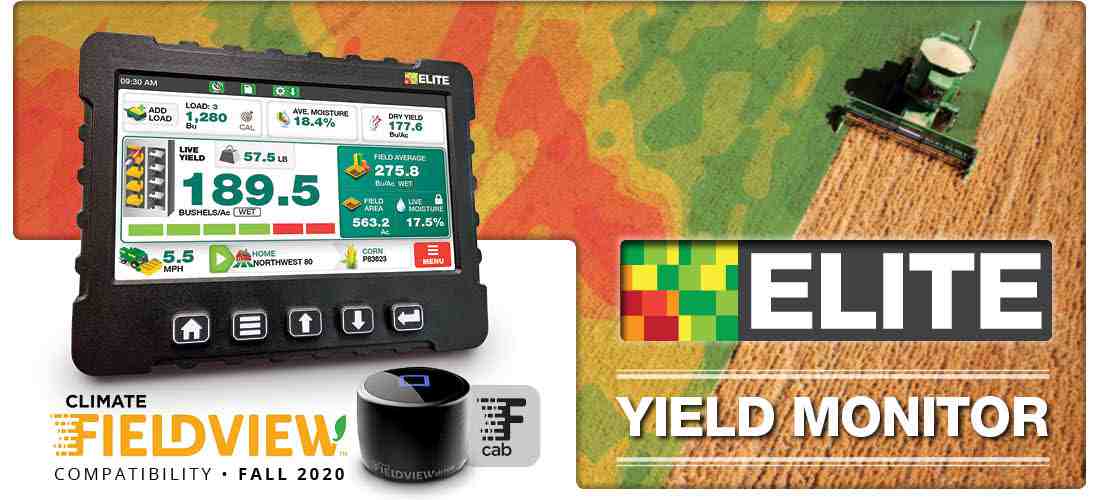
New Color Touch Screen Yield Monitor compatible with any Make or Model Combine.
The All New Loup Elite Yield Monitor is a Simple, Straight Forward system and can be used for any make or model combine, regardless of the age. Through a newly designed color touchscreen interface, optical yield sensors collect yield information and the optional moisture sensor gathers the crop moisture readings. GPS receiver and data card are available to log and create field maps with a variety of different mapping software. Expect the best results with the least amount of calibration needed.
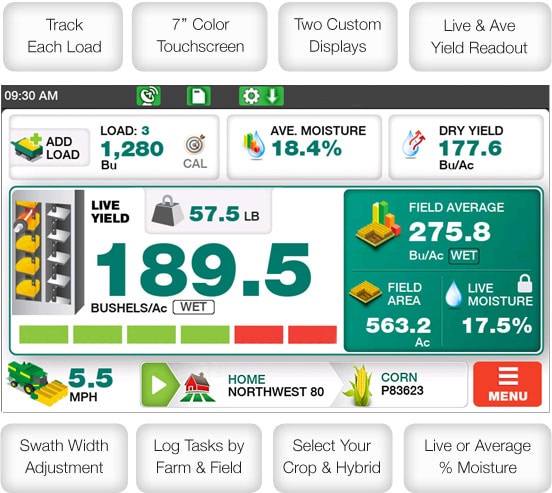
Main Screen Features
Photos
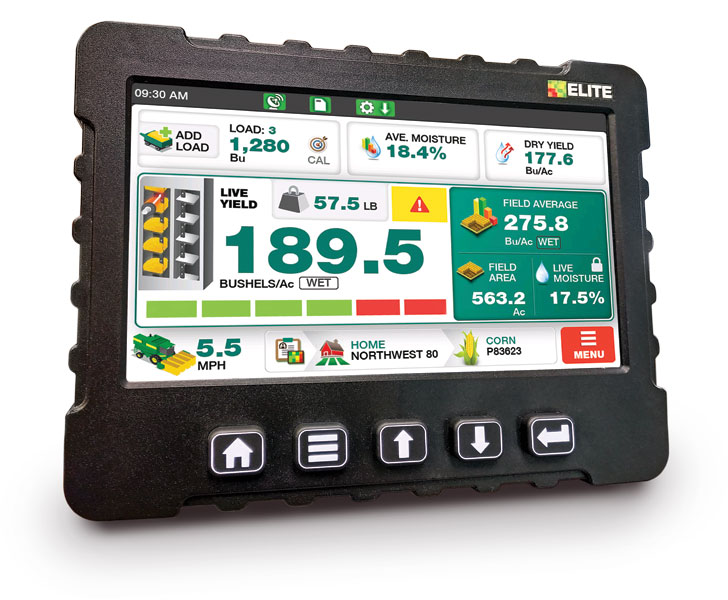
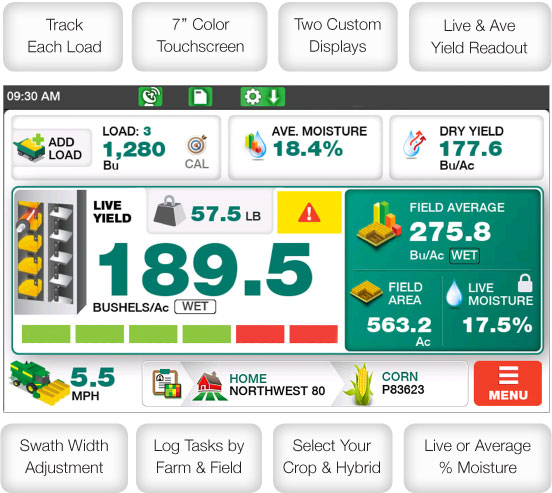
Display Features

Crop Selection
Crop Selection
Easily and quickly select between a variety of different crops. Each crop brings with it the appropriate header width, calibration settings, and moisture settings.

Easy Crop Calibration
Easy Crop Calibration
Easily calibrate the Loup Elite Yield Monitor by entering the known bushels from a particular load. The calibration process is performed once per crop per year.

Custom Display Functions
Custom Display Functions
Two programmable displays allow you to see the information you want. Quickly select between Dry Bushels, Wet Bushels, Pounds, Bushels/Hour, Area and more.

Field Mapping
Field Mapping
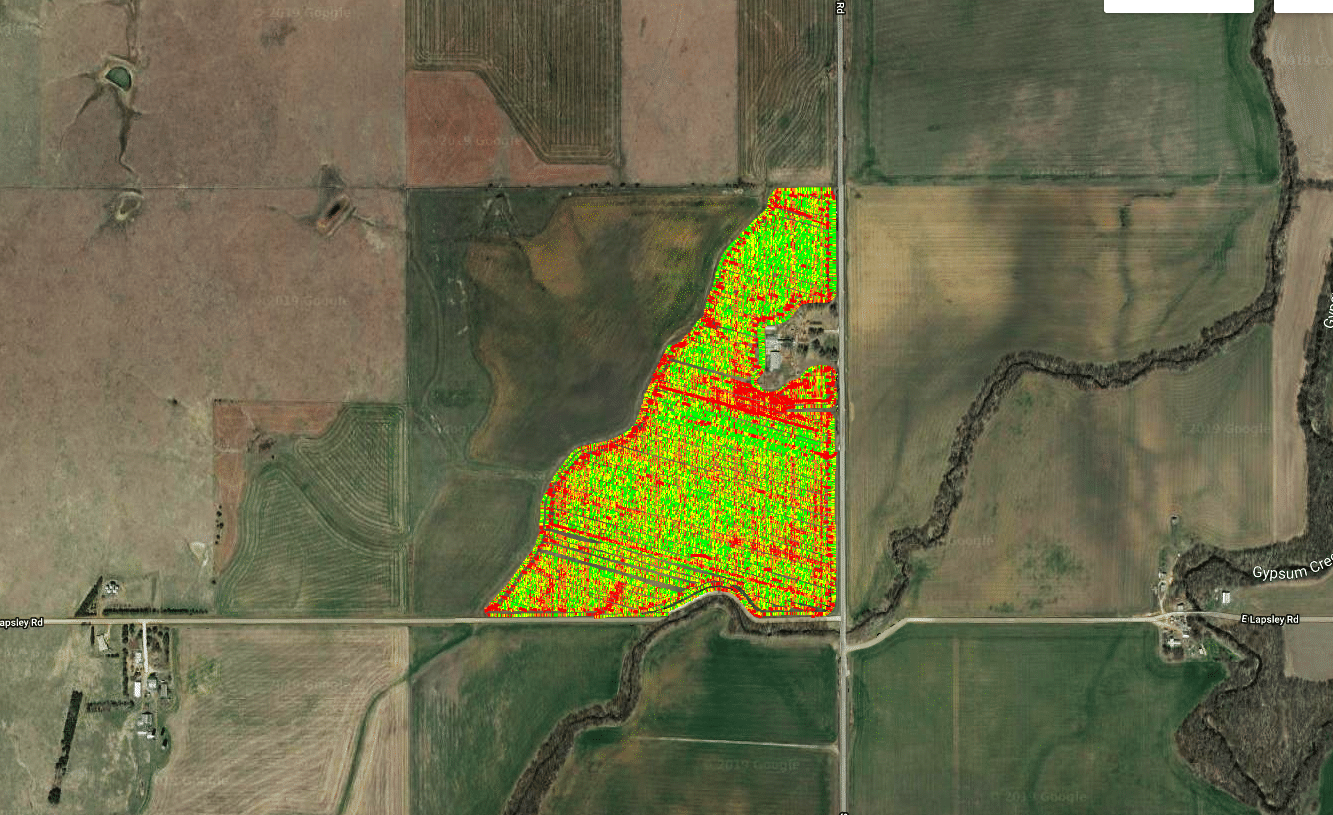
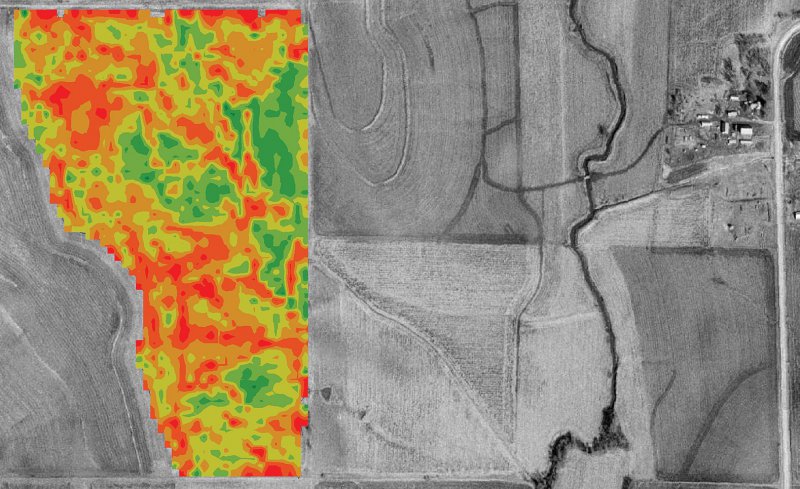
Record GPS field maps to standard SD card. Logged maps can be loaded into third party software such as Farm Works Office, SMS, Google Earth and more.

Load Management
Load Management
Manage individual loads as you harvest. Nudge each load total or use any load as a crop calibration.
Other Features
- 7 Inch Color Touchscreen
- Yield (Bushels per Acre)
- Grain Moisture Content (% Moisture)
- Ground Speed (MPH)
- Field and Total Bushels
- Wet or Dry Bushels
- Area (Field and Total Acres)
- Bushels per Hour
- Track Each Load Harvested
- Instantaneous or Average Readings
- Header Up/Down Indication
- Modern, Easy to use Interface
- Time of Day
- Visual Indication and Adjustment for Cut/Header Width
- Built in SD Drive for Data Logging
- Two Customizable Windows for the information you want to see
- Non-Contact Field Proven Yield Sensor
Optical Yield Sensor Advantages
The two most common methods of sensing Crop Yield on a combine are through Optical Sensors and impact plate technologies. While both provide adequate results, the Loup Electronics Elite Yield Monitor utilize the optical sensor. This is a tried and proven sensing technology that can be found on thousands of combines worldwide and in OEM Yield Applications.
The optical sensor has two major advantages that reduce the amount of time and effort involved in Calibration:
- The moisture content of the crops does not influence the Optical Sensor in our Yield Monitor, therefore a single calibration for a crop is sufficient for the Loup Elite Yield System. Other yield systems require multiple calibration factors for high and low moisture on the same crop. The Loup optical sensor does not rely on contact with the crop to determine Yield, simplifying the calibration process. The Moisture content is used to determine “Dry” bushels, but does not influence the “Wet” bushel readings.
- The Optical Yield Sensor can be “characterized” for the make and model of combine. This means that Typical Calibrations for a make and model of combine are stored in the memory of the Monitor. As the user, you select the make and model from our “shopping list” of combines and your initial calibration is based on these average numbers. The field calibration does not require cutting various widths, or keeping track of multiple loads versus actual. Once you have determined the actual bushels from as few as ONE Load of grain, this information is entered into a self-explanatory screen and the adjustment is completed. This adjustment not only changes the future data but also on the past data.
Field Mapping
The field mapping feature of the Loup Elite Yield Monitor can help collect valuable data about your fields and provide insight into future harvesting. Yield data gathered from each of your fields can be displayed on a map using a number of software packages. These programs can process the raw data collected by the yield monitor into a colored field map displaying information ranging from moisture to dry and wet yield.
Easy Upgrade from older Loup Yield Monitors
Loup Elite can be easily upgraded from older Pro Series 8000 or Ceres 8000i Yield Monitors. The Elite Yield upgrade will replace the in-cab 8000i console as well as a new set of optical yield sensors. The remaining wiring and sensors are backwards compatible with Loup Elite.
Multi-purpose Monitor for Drills, Air Seeders and Planters
In addition to measuring Yield & Moisture in a combine, Loup Elite can be upgraded to be used as a population monitor on any gravity drill, air seeder, or planter. Monitor Seeds/acre, Blockage, Acres, Bin levels, Shaft RPM and more.
Advantages of GPS Field Mapping
The primary advantage of collecting yield information from year to year is to identify field areas with high and low yields. Steps towards increasing the yield of targeted areas can then be made for future harvesting. As a field’s yield information is collected over a number of years, the more consistent that information becomes against cases of weather or other unpredictable factors.
Crop Insurance
Many insurance companies will accept the data and use it towards your crop insurance. By collecting accurate field and yield data you can ultimately help your bottom line, resulting in higher insurance guarantees and more profit for you.
Loup Yield Testimonials
Frequently Asked Questions
How difficult is installation?
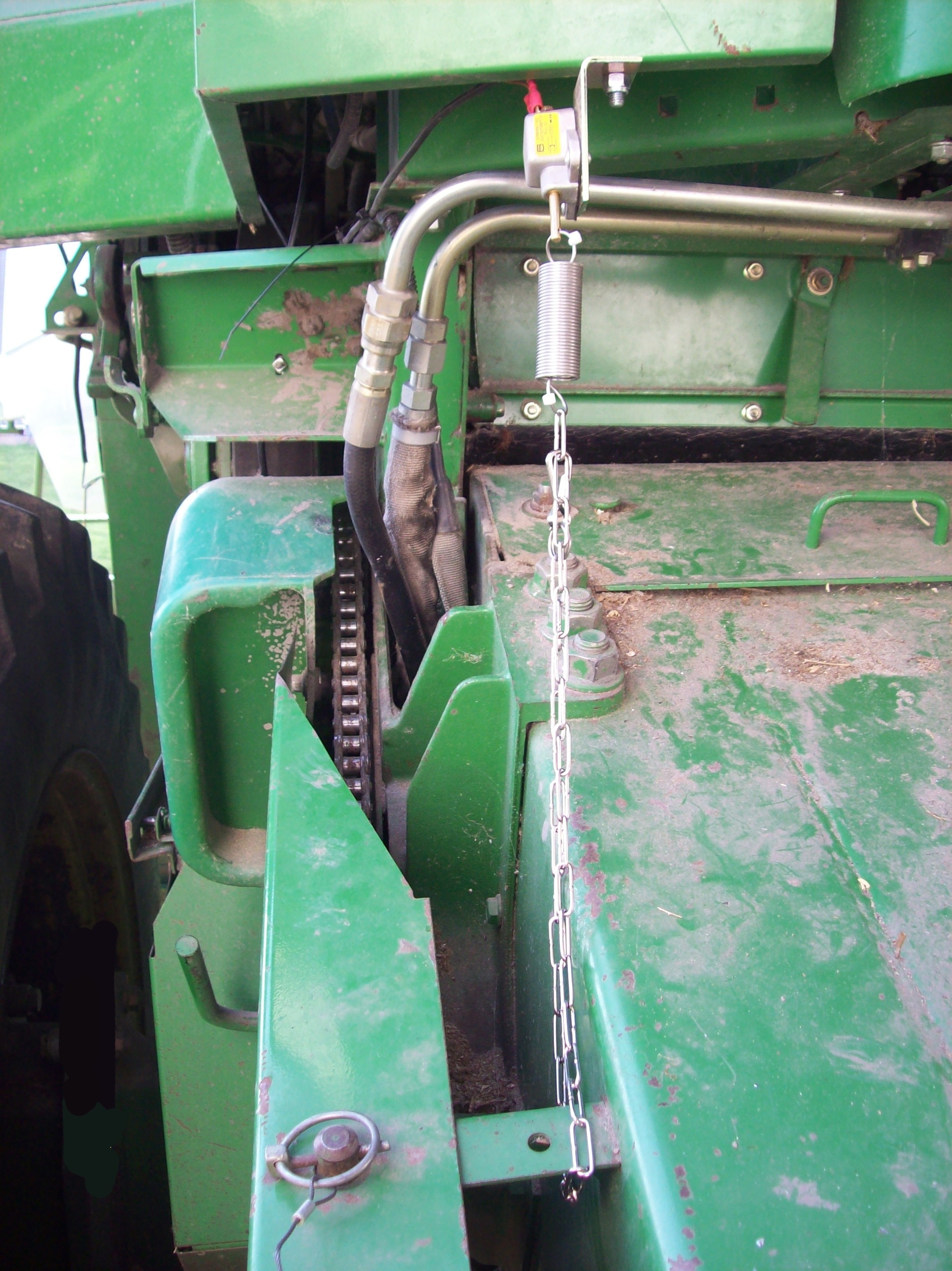
Installation of the Elite Yield Monitor is not difficult, though it can take time. Plan for an install taking anywhere from 6-8 hours. The key steps involve the mounting of the moisture sensor and yield sensors. Depending on your combine model, instructions are supplied outlining the measurements to take for the mounting location of each sensor. Much of the time is spent routing and securing the wiring harness from the sensors to the console. Loup encourages you to call if you have any questions, support is available week nights as well as weekends.
How does field mapping work?
All field data is stored to an internal SD card within the yield monitor console. When you’re finished in the field you can remove this card and plug it into your computer. Maps can be opened with software such as Farm Works, Climate Fieldview, SMS and others.
How do the yield sensors work and how often should I calibrate?
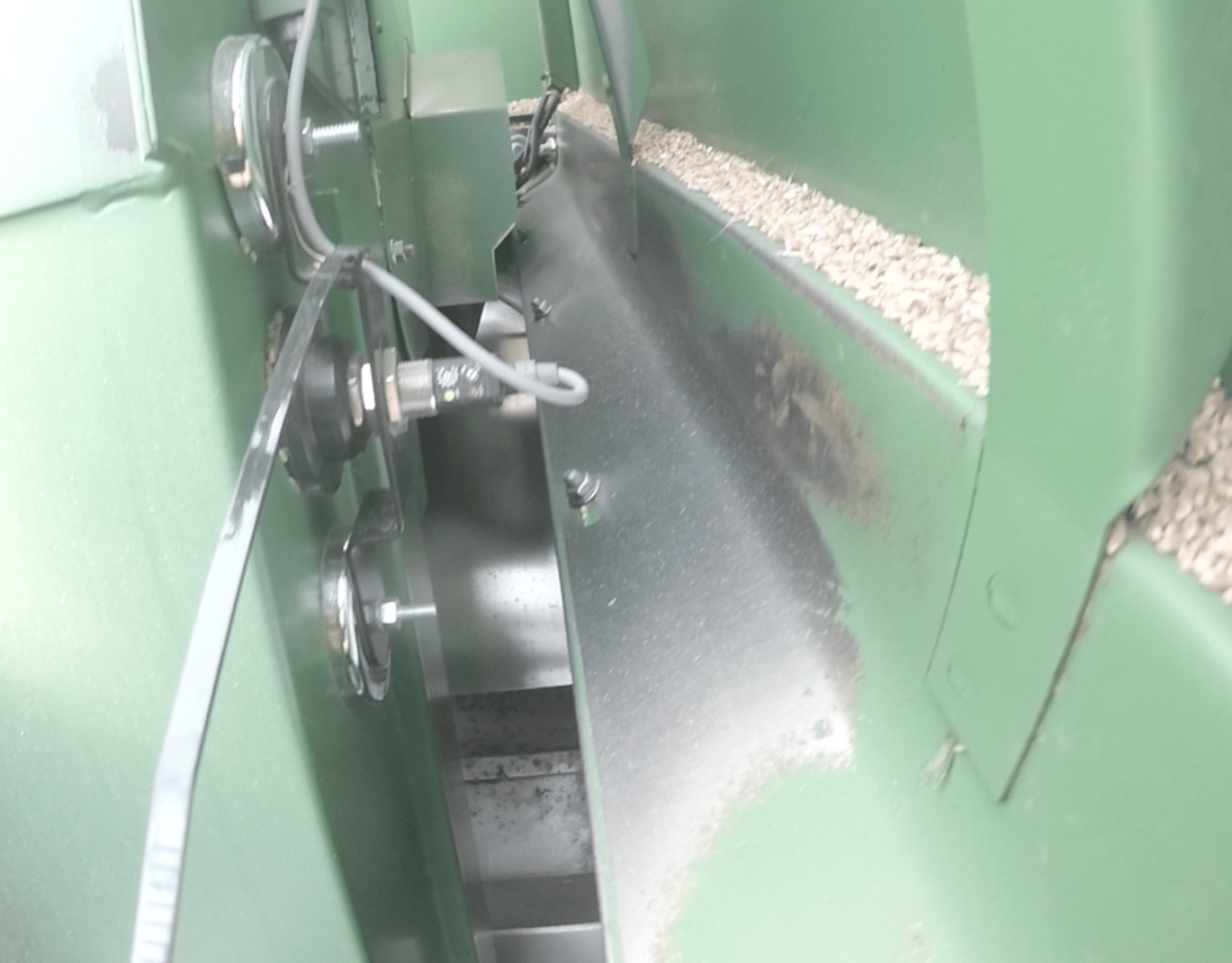
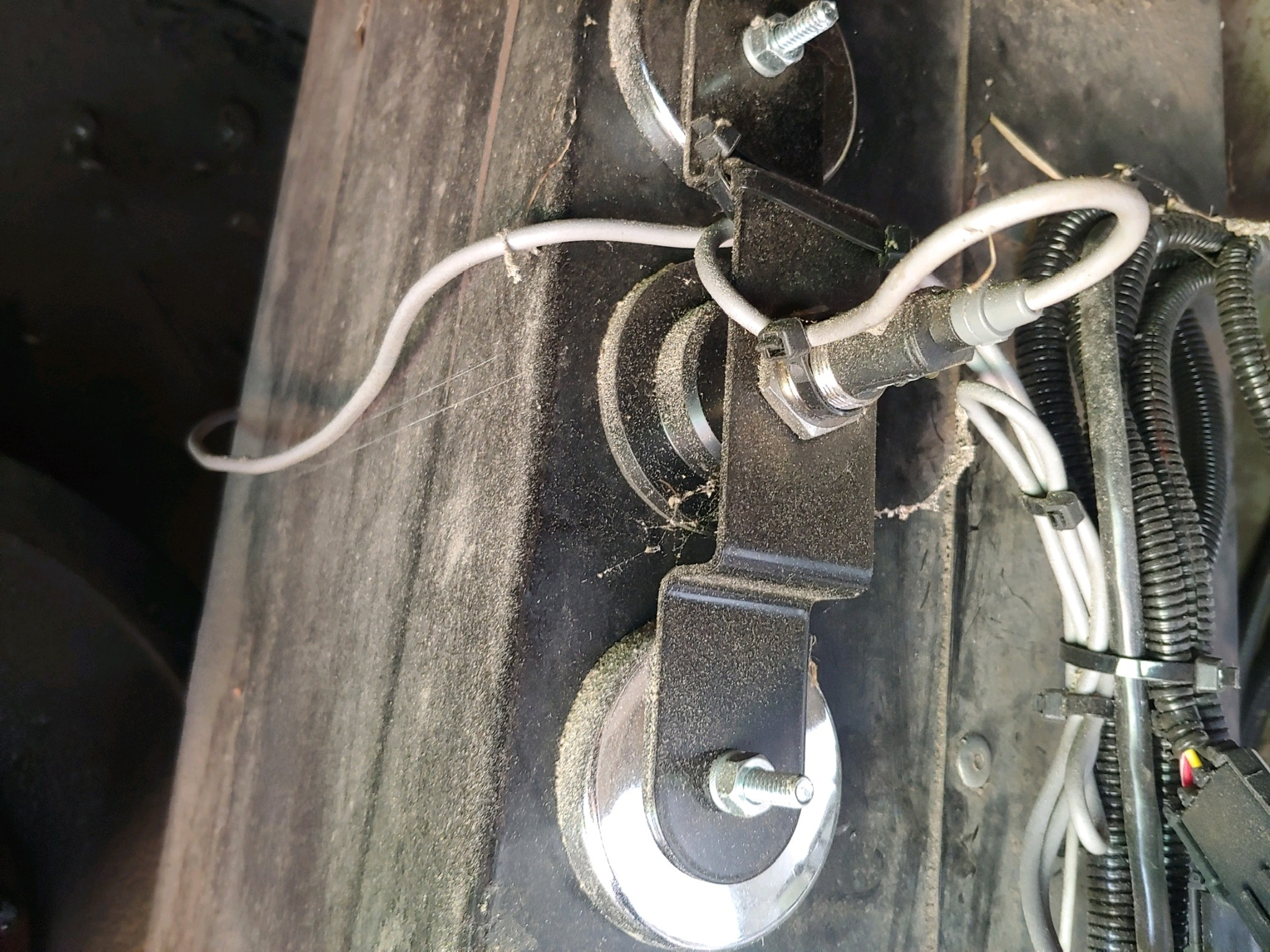
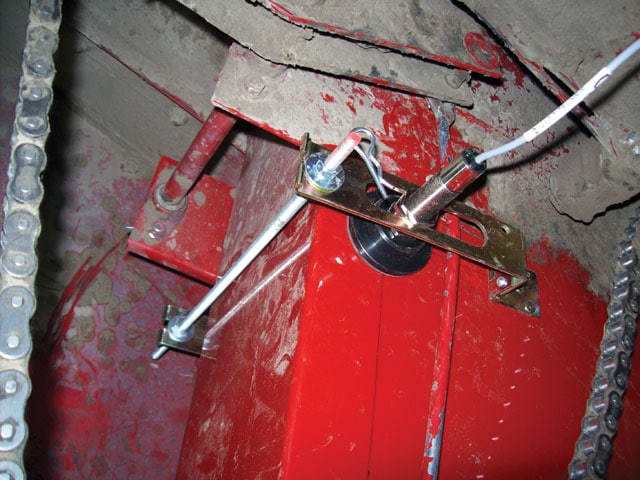
Our optical yield sensors calculate a percentage of darkness across the paddles. Since moisture does not affect these sensors, one calibration per crop per year is all that’s needed. These sensors are non-contact, eliminating the need for a low and high moisture calibration.
These sensors can be configured for a specific make and model of combine. Each unit comes with a list of combines to choose from, each pre-programmed with typical calibration settings for that make and model. Once you’ve determined actual bushels from a load of grain, this information is entered into the system and automatically adjusted. This affects both future and past data collected.
How does the Moisture Sensor Work?
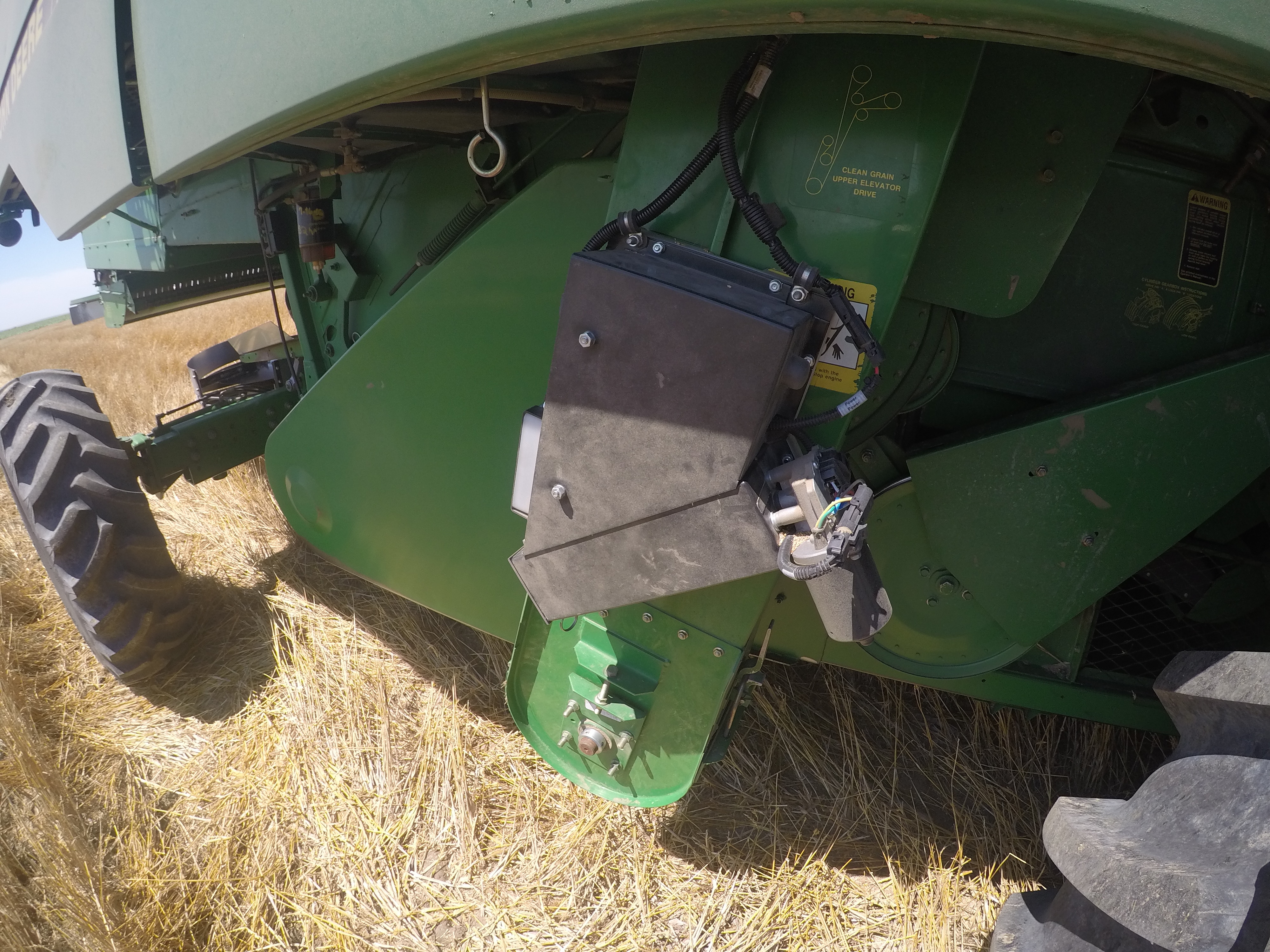
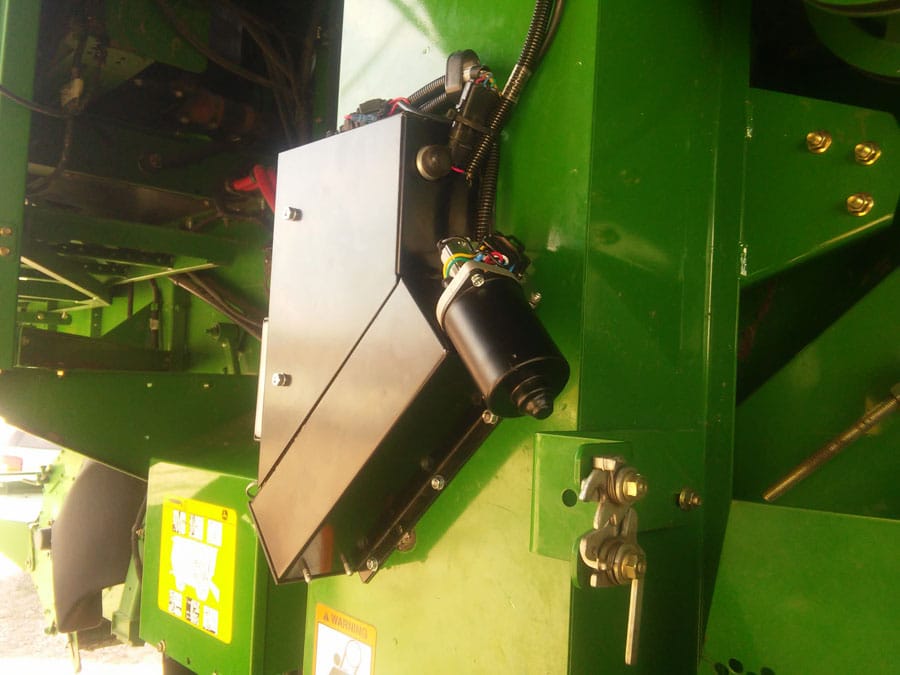
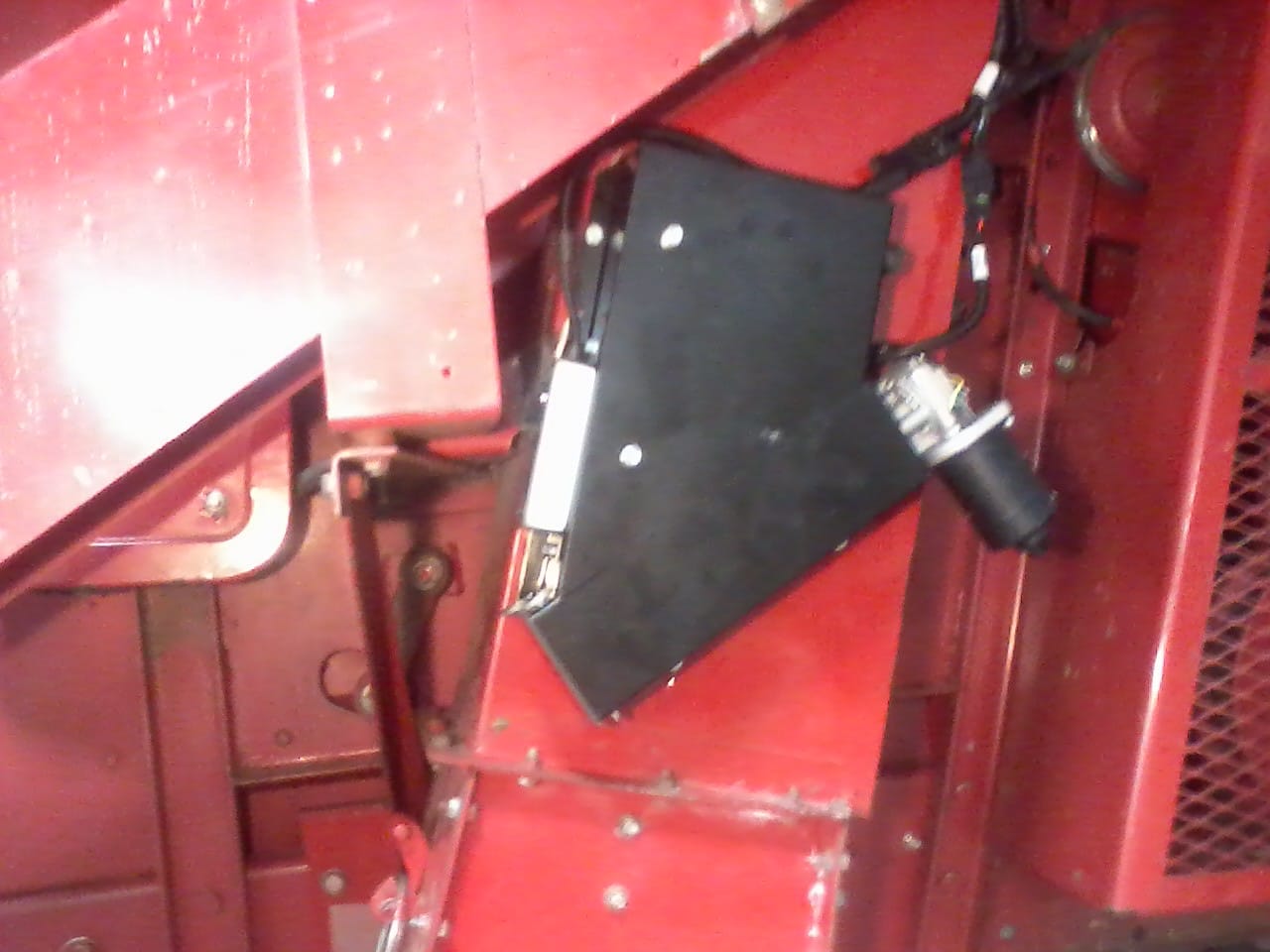
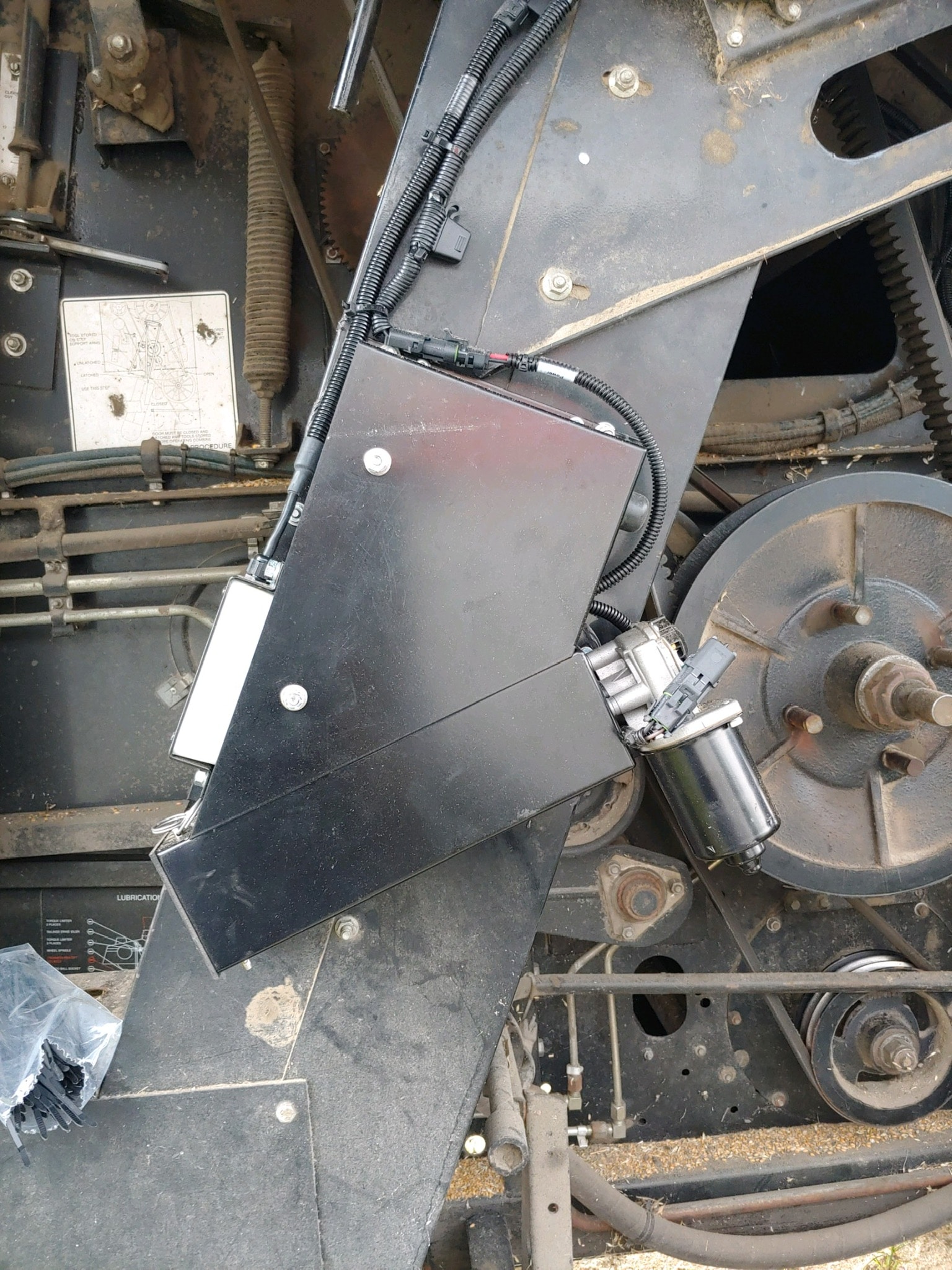
Measuring moisture on Loup Elite involves a side-mounted sensor; two holes are cut into the side of the clean grain elevator and the sensor assembly installed at this location. Grain traveling up the clean grain elevator is collected by the sensor and the % moisture content read. The sample is then augured out into the return of the elevator allowing the next sample to be read. This method of reading moisture provides consistent moisture readings from a variety of different field environments. The other type of moisture sensor is an older method of mounting the sensor directly to the clean-out door of the clean grain elevator. This method may be recommended on certain combine models using a smaller clean grain elevator.